Creating Interactive Experiences in Temporary Art Spaces
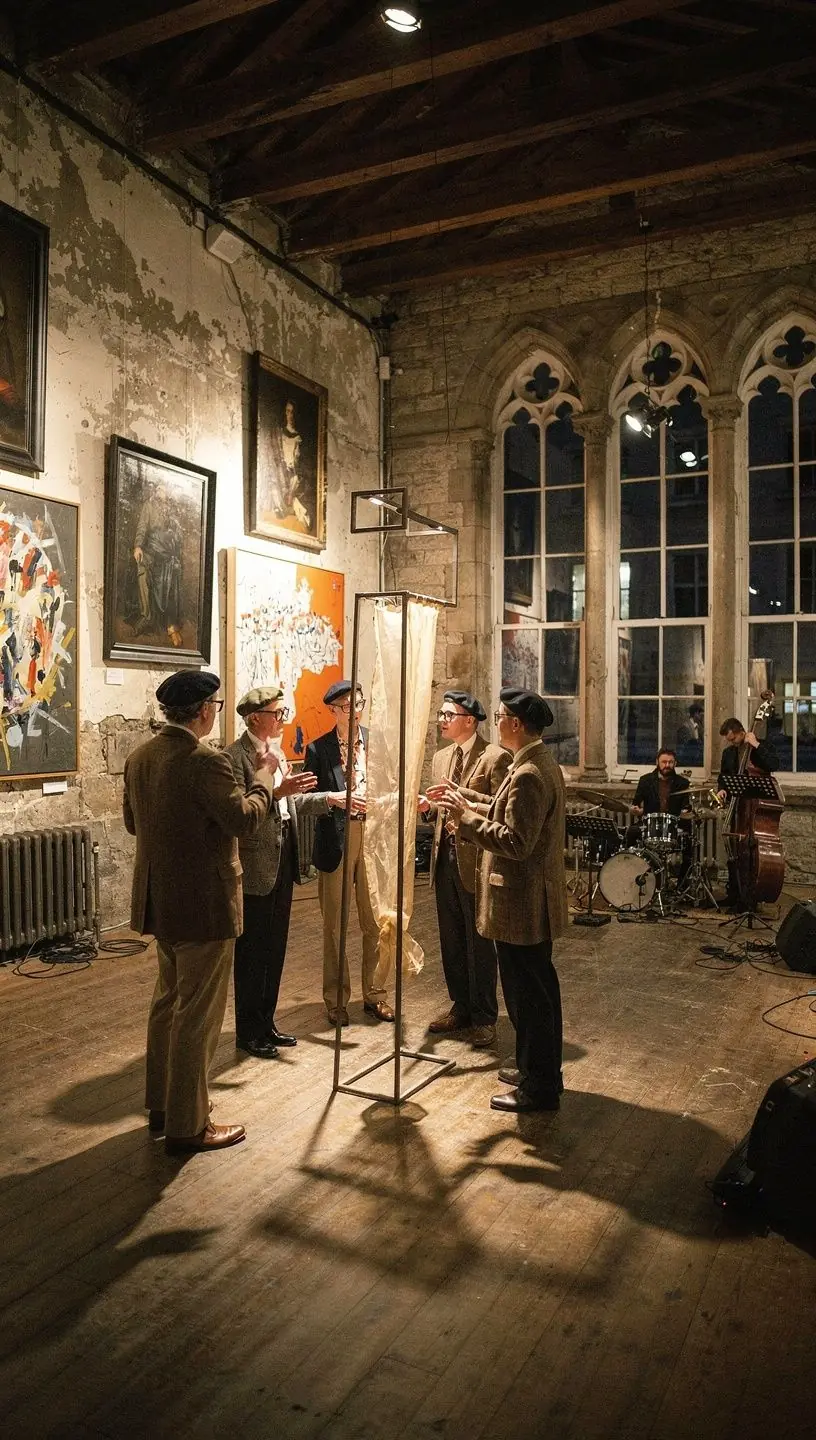
Art exhibitions have evolved from static displays to dynamic, interactive experiences that engage communities. This article explores how temporary art spaces can foster creativity and community involvement through themed displays and hands-on activities.
Understanding the Basics
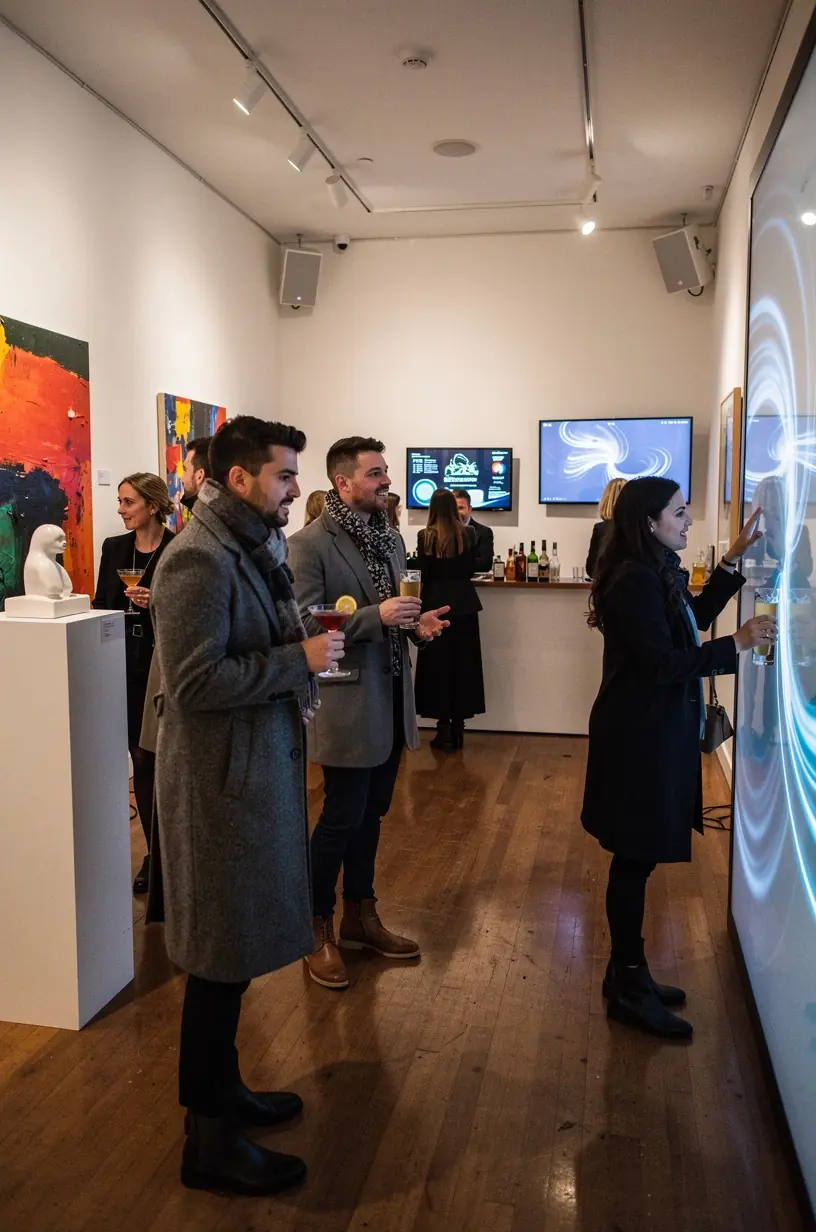
The concept of interactive art spaces is not just about showcasing artwork; it's about creating experiences that resonate with visitors. According to research conducted by the Institute of Contemporary Art, visitors who engage with art interactively report a 40% higher level of satisfaction compared to those who merely observe. This indicates that the emotional connection formed through interaction can significantly enhance the overall experience.
"Interactive art installations foster deeper engagement and can transform how audiences perceive and appreciate art."
Designing Themed Displays
Creating a cohesive theme for an exhibition can enhance the visitor experience. Experts recommend integrating various elements such as:
- Visual Aesthetics: Ensure the design aligns with the theme, utilizing color schemes and materials that evoke the desired emotions.
- Interactive Components: Incorporate technology, such as augmented reality, to allow visitors to engage with the art physically and digitally.
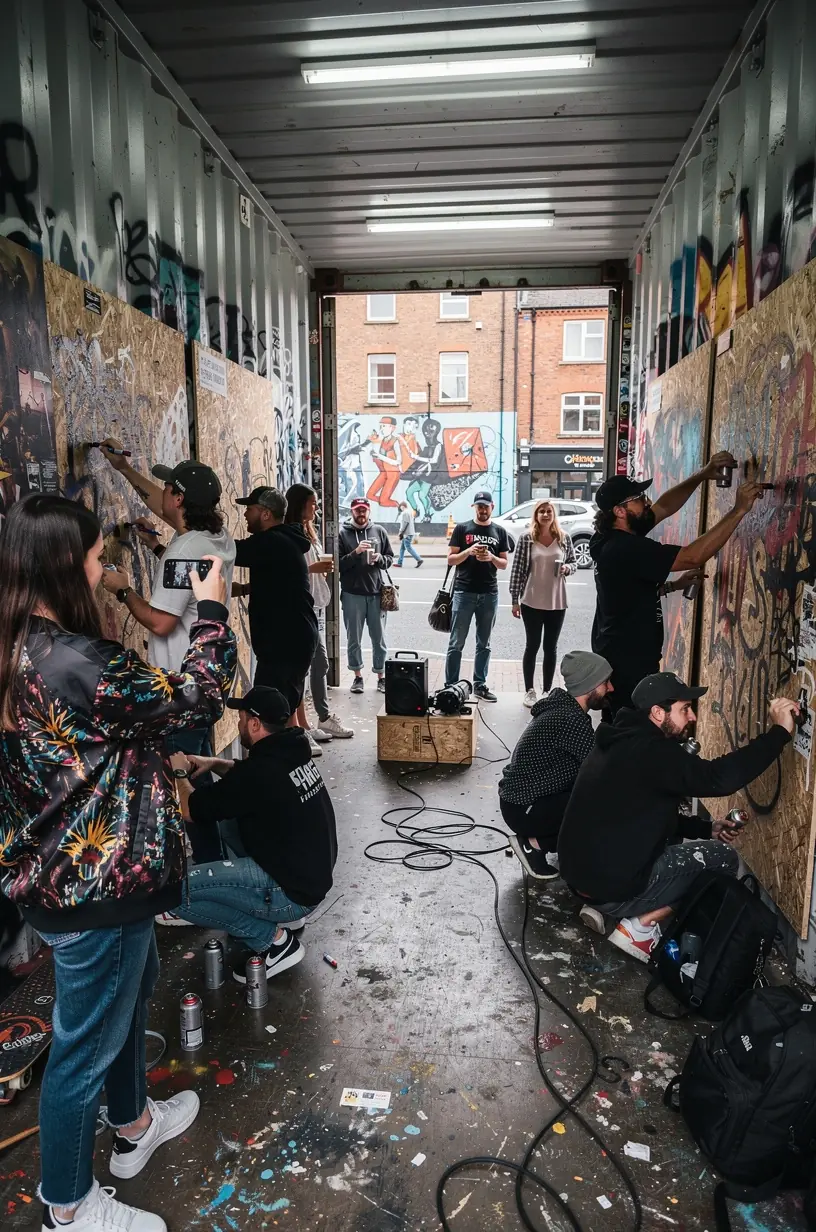
- Community Involvement: Involve local artists and community members in the creation of the displays to foster a sense of ownership and pride.
Engaging the Community
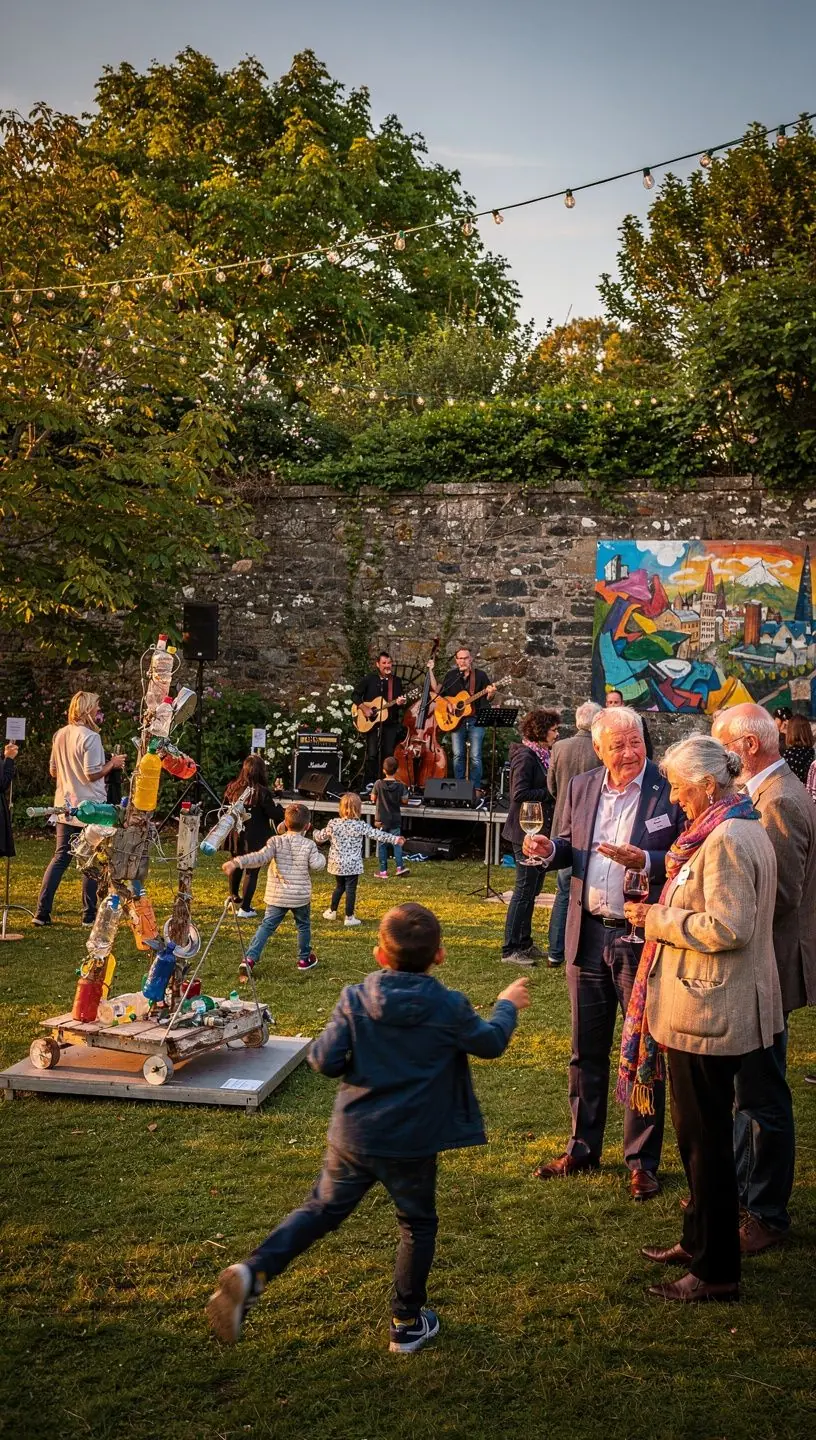
To maximize engagement, temporary art spaces should host community events. Research indicates that art-based community events can increase local participation by up to 30%. Some effective strategies include:
- Workshops: Offer hands-on workshops that allow participants to create their own art, which can lead to increased interest in local art initiatives.
- Discussion Panels: Organize panels with artists and critics to discuss the themes presented in the exhibition, fostering a dialogue between artists and the community.
- Collaborative Projects: Engage local schools or organizations in collaborative art projects that culminate in a display within the exhibition space.
Challenges and Considerations
While creating interactive and engaging art spaces is beneficial, it's important to acknowledge potential challenges. Setting up a temporary art space typically requires a commitment of 2-4 weeks for planning and execution. Moreover, the process involves logistical considerations such as:
- Securing permissions and permits from local authorities
- Coordinating with artists and community volunteers
- Budgeting for materials and marketing
These challenges are manageable with careful planning and community support, reinforcing the importance of collaboration in temporary art initiatives.
Conclusion
Creating interactive experiences in temporary art spaces offers numerous benefits for both artists and the community. By designing themed displays and engaging the community through activities and events, these spaces can become vibrant hubs of creativity and connection. As you embark on this journey, remember that success often depends on collaboration, planning, and a willingness to adapt. With the right approach, temporary art exhibitions can leave a lasting impact on both the viewers and the artists involved.
Learn More