Strategies for Successful Community Collaboration in Art Events
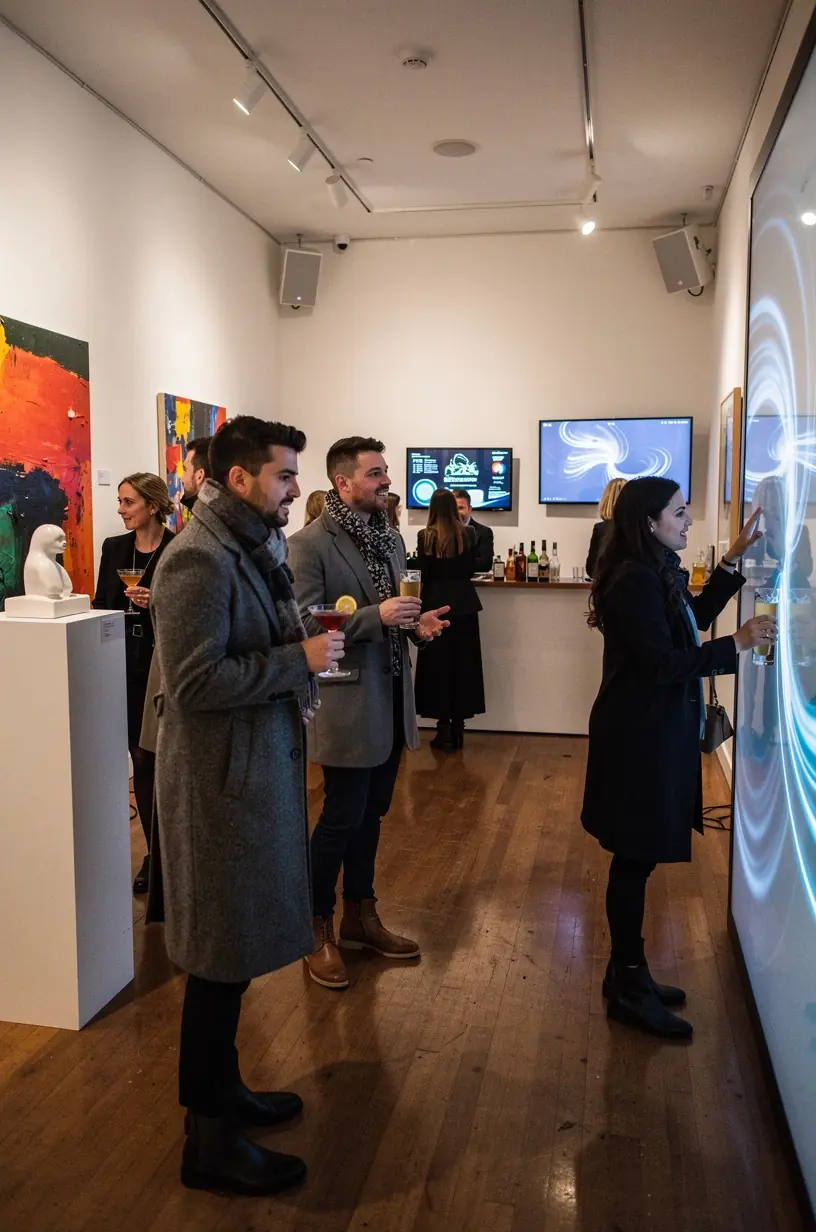
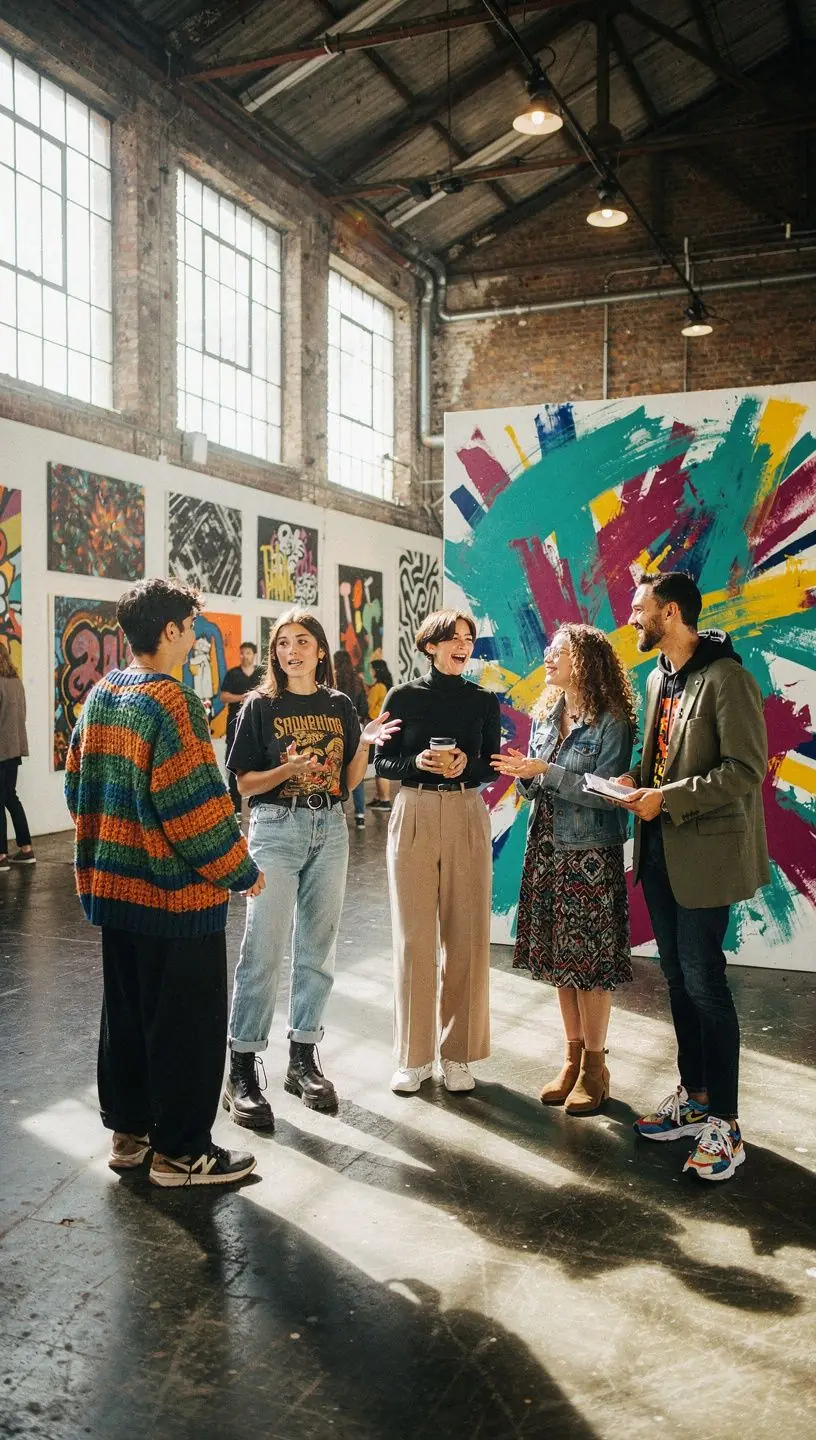
Community collaboration is essential for the success of pop-up art exhibition spaces. Engaging the local community through themed displays and events can significantly enhance participation and appreciation for the arts. This article explores effective strategies to foster collaboration and maximize community involvement.
Understanding Community Engagement
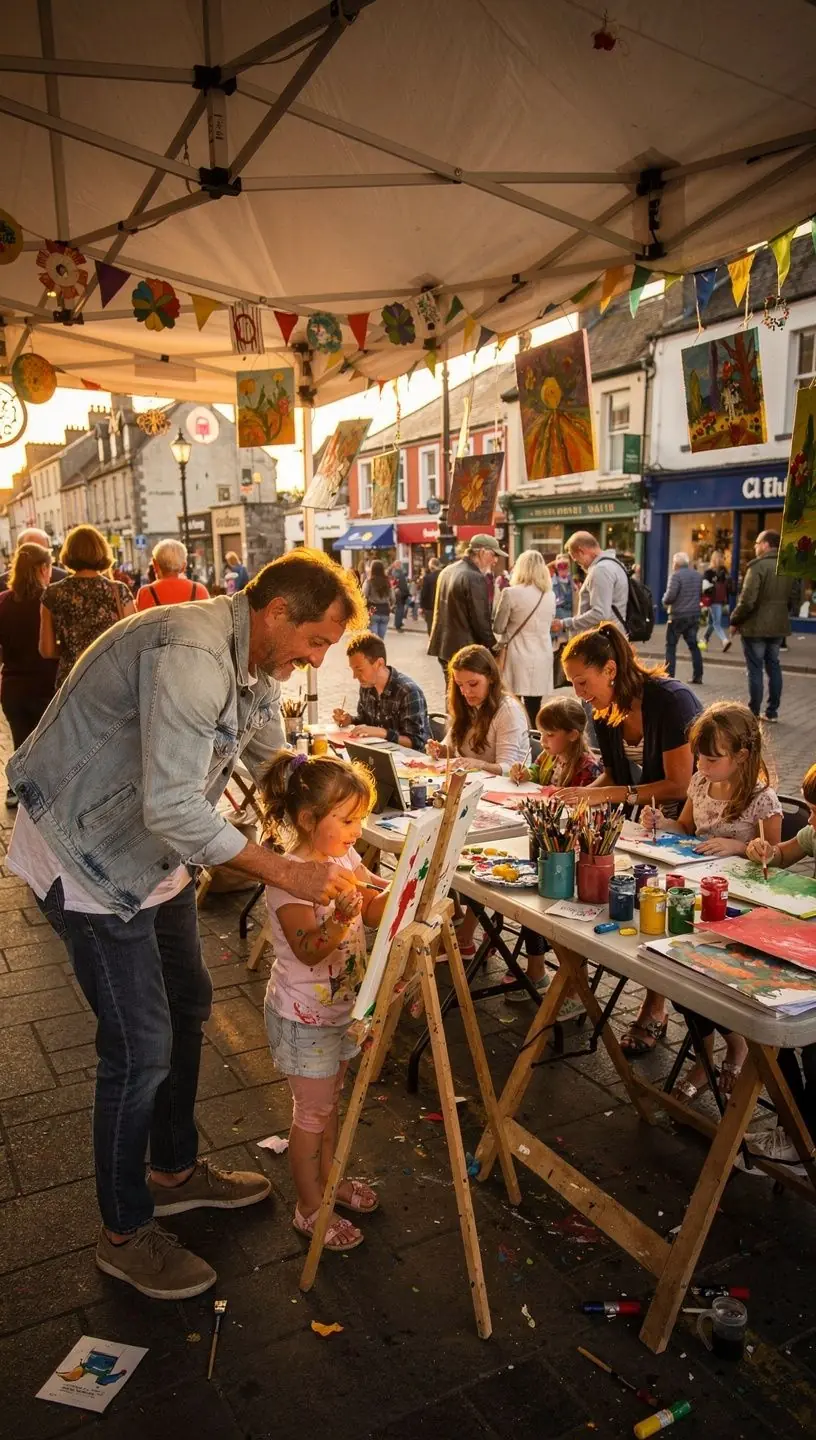
Community engagement in art events typically involves inviting local residents to participate not only as audiences but also as contributors. According to research conducted by the National Endowment for the Arts, active participation in community art initiatives encourages social cohesion and fosters individual creativity. This approach works because it creates a sense of ownership among community members.
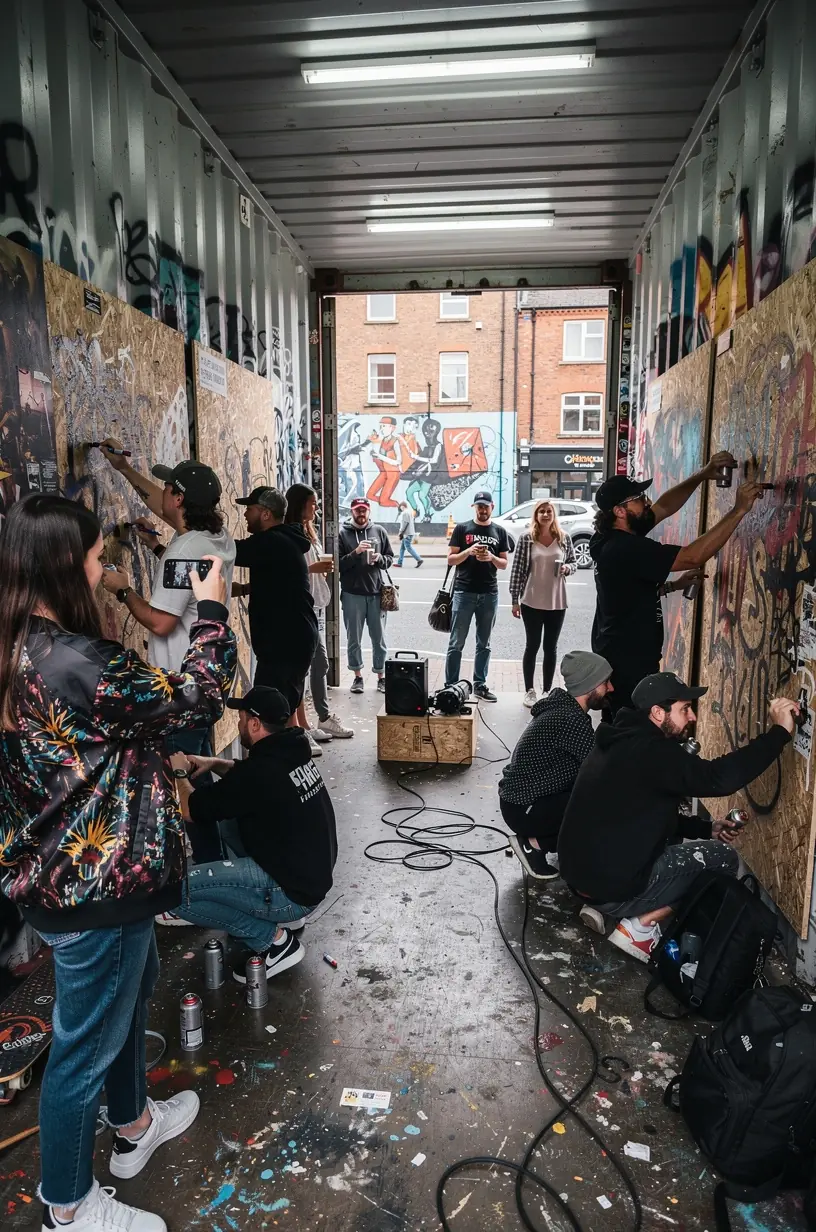
"Community engagement in the arts can lead to increased public support and better attendance at events, according to studies by cultural institutions."
The Importance of Themed Displays
Utilizing themed displays can help attract diverse audiences. Many users report that events that focus on specific themes resonate more with attendees as they often relate personally to the subject matter. Themes can range from local history, cultural celebrations, to contemporary societal issues. Experts recommend that themes should be chosen based on community interests and needs, which can be discovered through surveys or informal discussions.
Key Strategies for Successful Collaboration
- Build Relationships: Establishing connections with local artists, schools, and community organizations is critical. Networking through local art fairs or community meetings can lead to fruitful partnerships.
- Involve Community Members Early: Successful collaboration often requires early involvement of community members in the planning process. This typically leads to a greater sense of investment in the outcomes.
- Tailor Events to Audience Needs: Understanding who the community is and what they want from art events can significantly influence participation levels. Conducting pre-event surveys may help tailor the event programming effectively.
Utilizing Feedback for Continuous Improvement
Gathering feedback from participants after events is an effective way to improve future collaborations. Surveys and informal discussions can provide insights into what worked well and what could be improved. This approach not only increases future engagement but also shows the community that their opinions are valued and considered.
Challenges and Considerations
While collaboration can enhance art events, it is important to acknowledge potential challenges. These may include coordinating schedules among diverse groups, managing differing expectations, and ensuring adequate funding and resources. Effective communication and clear timelines are essential to overcome these hurdles.
Conclusion
In conclusion, successful community collaboration in pop-up art events requires a balanced approach that prioritizes engagement, themes relevant to the community, and ongoing feedback processes. While challenges exist, employing these strategies can lead to enriched cultural experiences for both participants and organizers. By fostering collaboration, art events can thrive, creating lasting impacts within the community.