Designing Immersive Environments for Themed Art Shows
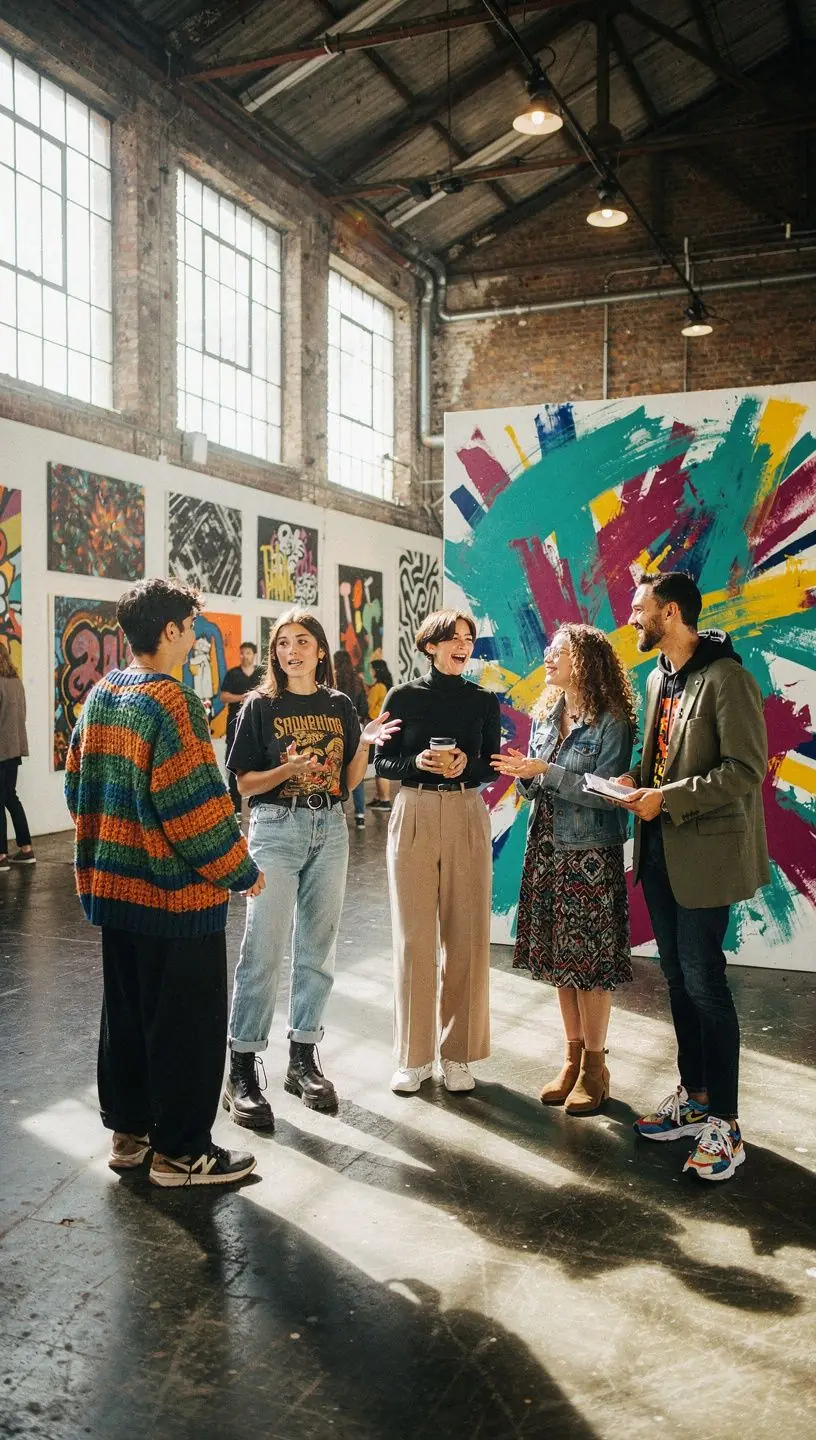
Creating immersive environments for themed art exhibitions is not only about showcasing artwork but also about engaging the community. This article explores effective design strategies and the importance of community involvement in shaping memorable art experiences.
Understanding the Importance of Immersive Spaces
Immersive environments in art exhibitions enhance visitor experience significantly. Studies show that when attendees feel engaged with their surroundings, they are likely to spend more time at the event and recommend it to others. This is crucial for community-based art shows where local support can make or break an exhibition.
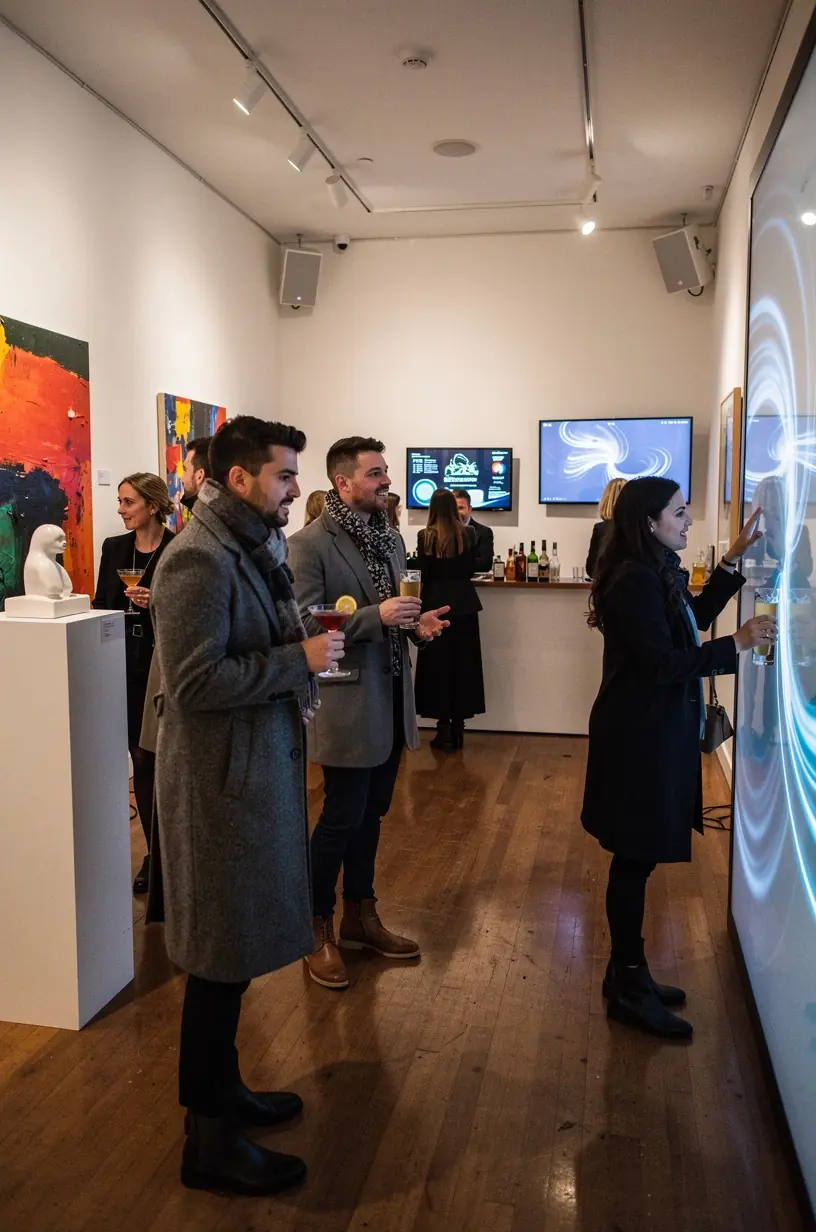
"Engagement with art installations can lead to a 30% increase in visitor satisfaction, according to research from the International Journal of Arts Management."
Key Elements of Immersive Design
Designing immersive spaces typically involves several key elements:
- Visual Consistency: Ensuring that all elements of the exhibition reflect the chosen theme helps create a unified experience. Research indicates that cohesive designs improve visitor recall and satisfaction.
- Interactive Features: Incorporating interactive elements allows visitors to engage actively with the art, making the experience more memorable. Many users report increased enjoyment when they can participate in the exhibition.
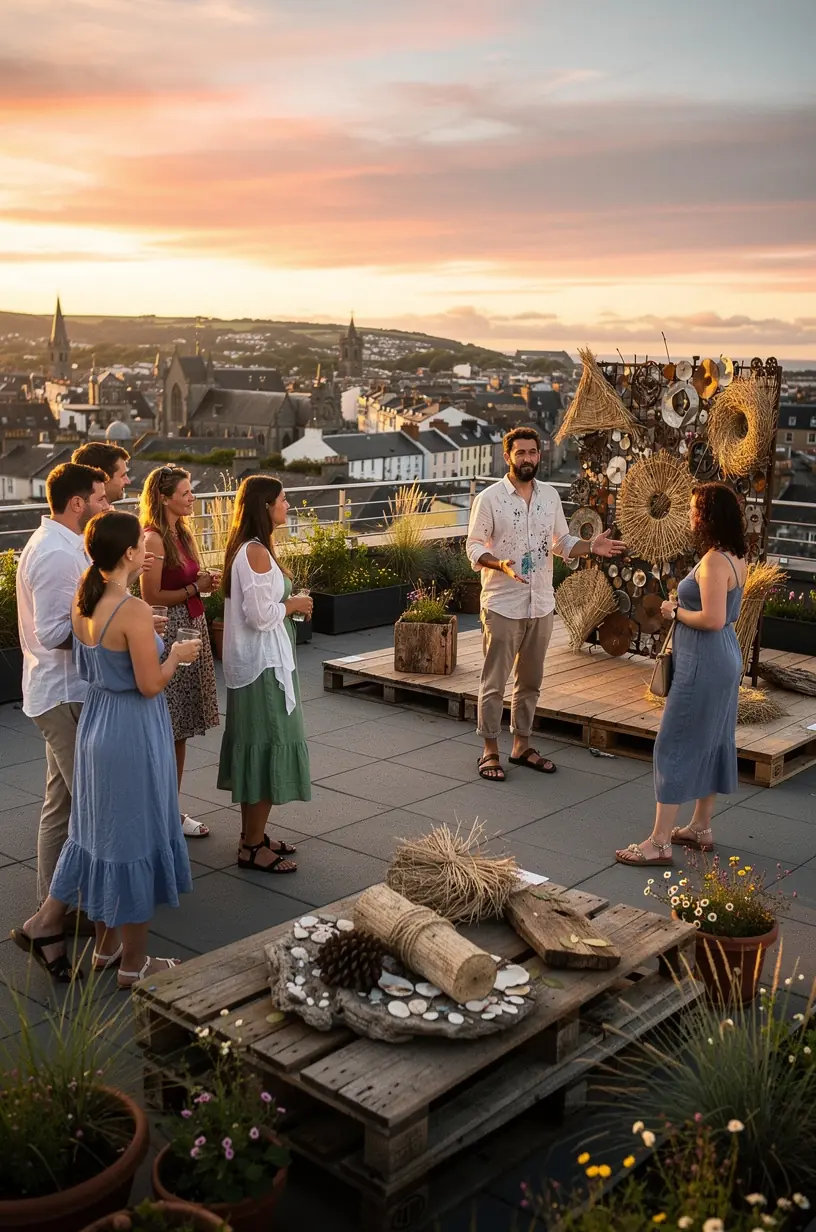
- Multi-sensory Experiences: Utilizing sound, scent, and tactility enhances the overall atmosphere. Experts recommend that appealing to multiple senses can create a deeper emotional connection to the artwork.
Community Engagement Strategies
Effective themed exhibitions often involve various community engagement strategies. These strategies not only promote the event but also foster a sense of ownership among local residents:
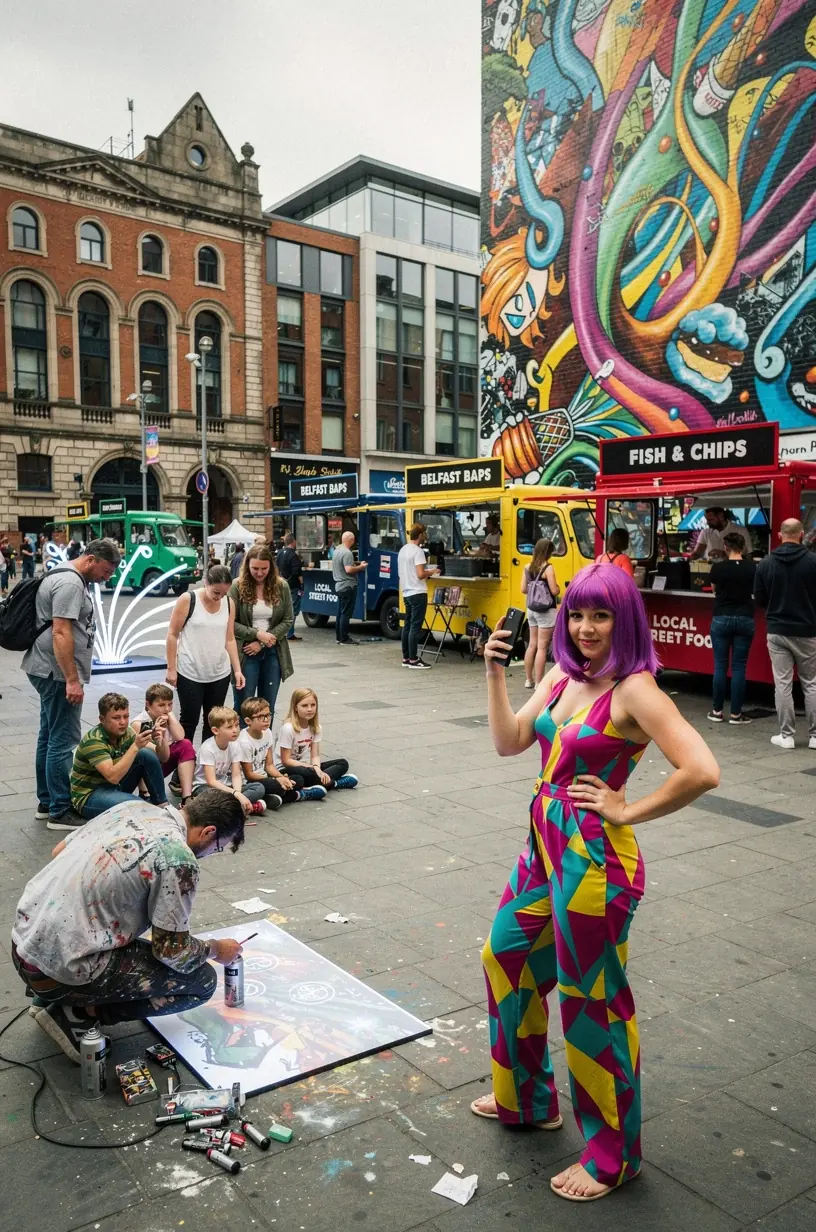
- Workshops and Events: Organizing workshops related to the theme can draw local artists and community members into the process. This typically requires planning a few weeks in advance to ensure participation.
- Collaborative Installations: Involving local artists in the design and setup can lead to unique interpretations of the theme, enriching the exhibition's context. In most cases, this collaboration strengthens community ties.
- Feedback Mechanisms: Providing opportunities for visitors to share their thoughts and experiences can enhance future events. Surveys and feedback forms are valuable tools for gathering insights on audience preferences.
Challenges and Considerations
While creating immersive environments can be rewarding, it also comes with challenges. These typically include:
- Time Commitments: Developing a comprehensive immersive experience usually takes several months of planning and collaboration.
- Resource Allocation: Depending on the scale of the exhibition, significant resources may be needed, including funding and manpower, which can be a limiting factor for smaller communities.
- Maintaining Engagement: It’s essential to keep the community engaged long after the exhibition ends. Continuous outreach and follow-up events can help maintain interest.
Conclusion
Designing immersive environments for themed art shows is a multifaceted endeavor that can foster community engagement and enhance visitor experiences. While it requires careful planning and resources, the benefits of creating memorable art experiences can significantly impact local culture and community spirit. By focusing on immersive design principles and actively involving the community, organizers can develop art exhibitions that resonate and inspire.