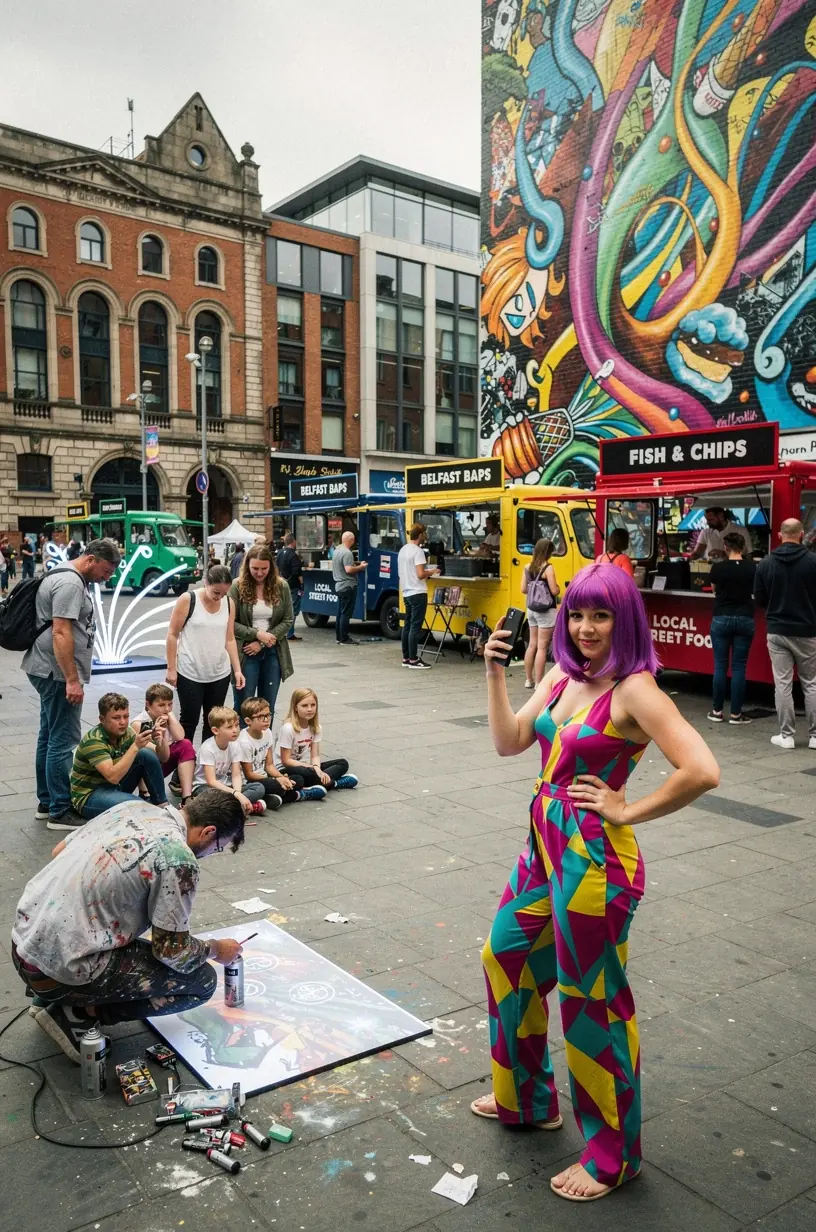
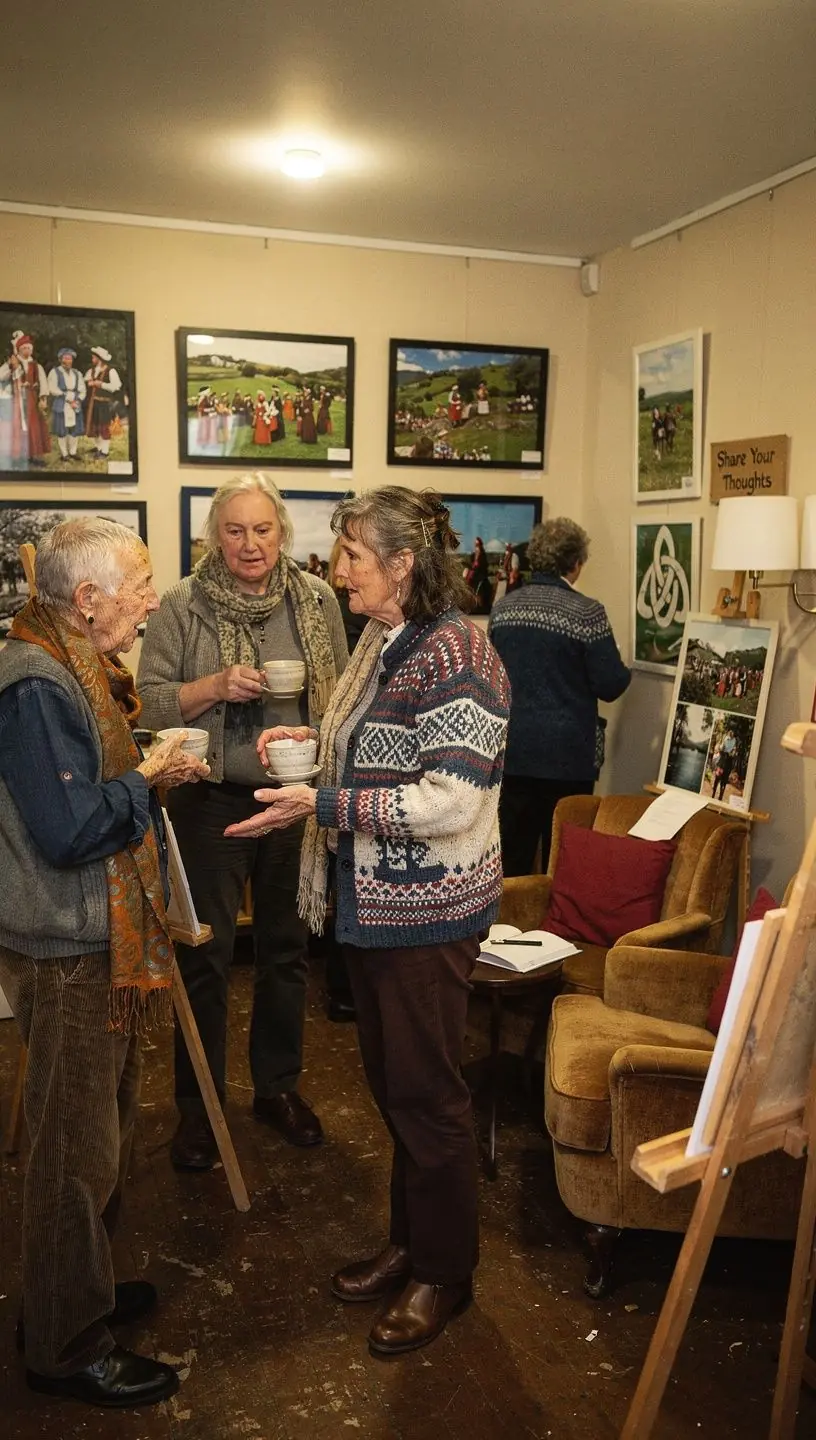
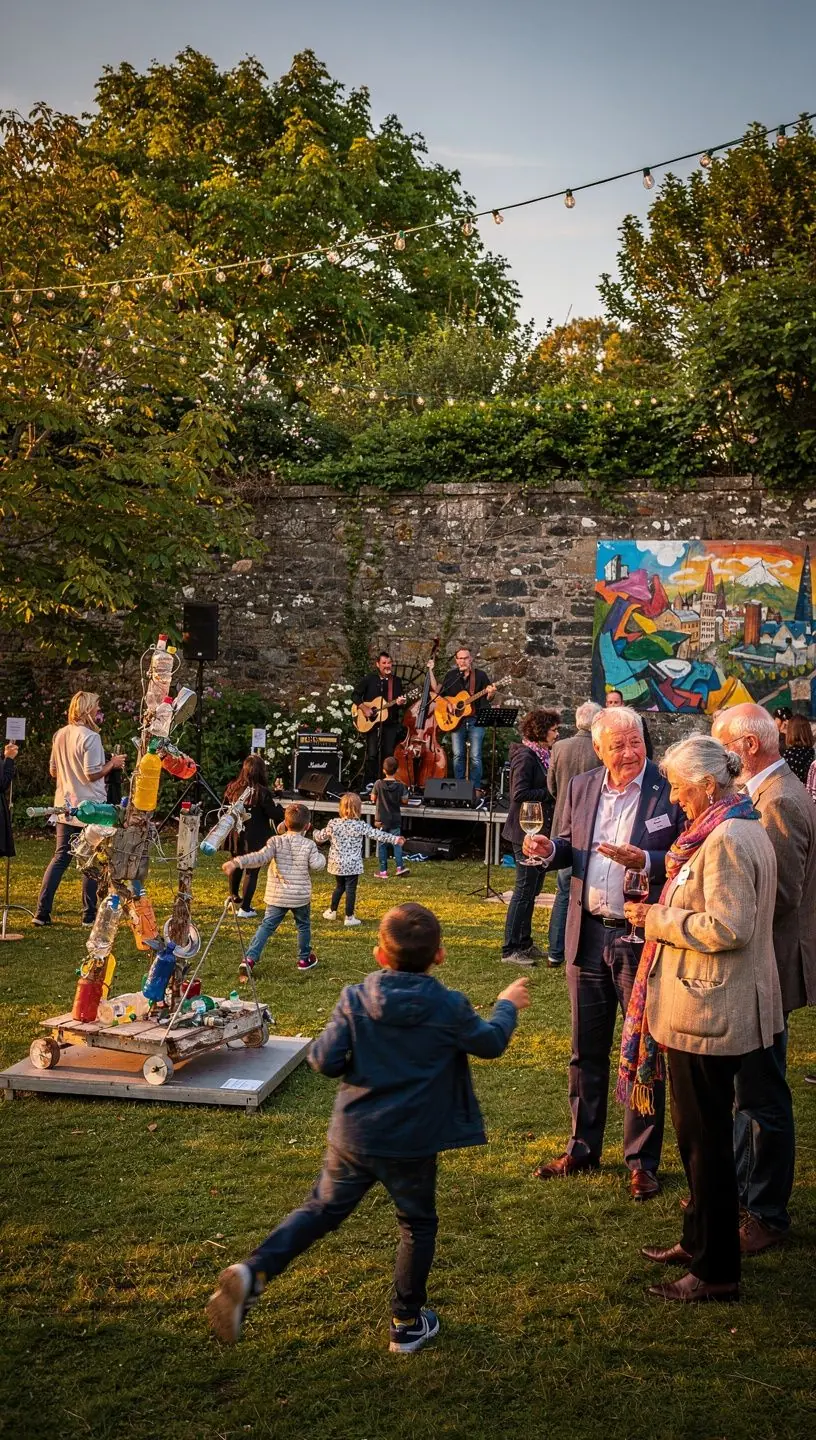
The Future of Pop-Up Art Spaces in Urban Development
As urban areas continue to evolve, pop-up art spaces are emerging as influential elements in cultural development and community engagement. This article explores the future of these dynamic spaces, detailing their impact on urban development and the role they play in fostering community connections.
Understanding the Concept of Pop-Up Art Spaces
Pop-up art spaces are temporary exhibition venues that can be established in various locations, from vacant storefronts to public parks. These spaces typically host themed displays and community engagement events, offering artists a platform to showcase their work while simultaneously engaging local audiences. According to research conducted by the National Endowment for the Arts, temporary art installations can significantly enhance community interaction and cultural appreciation.
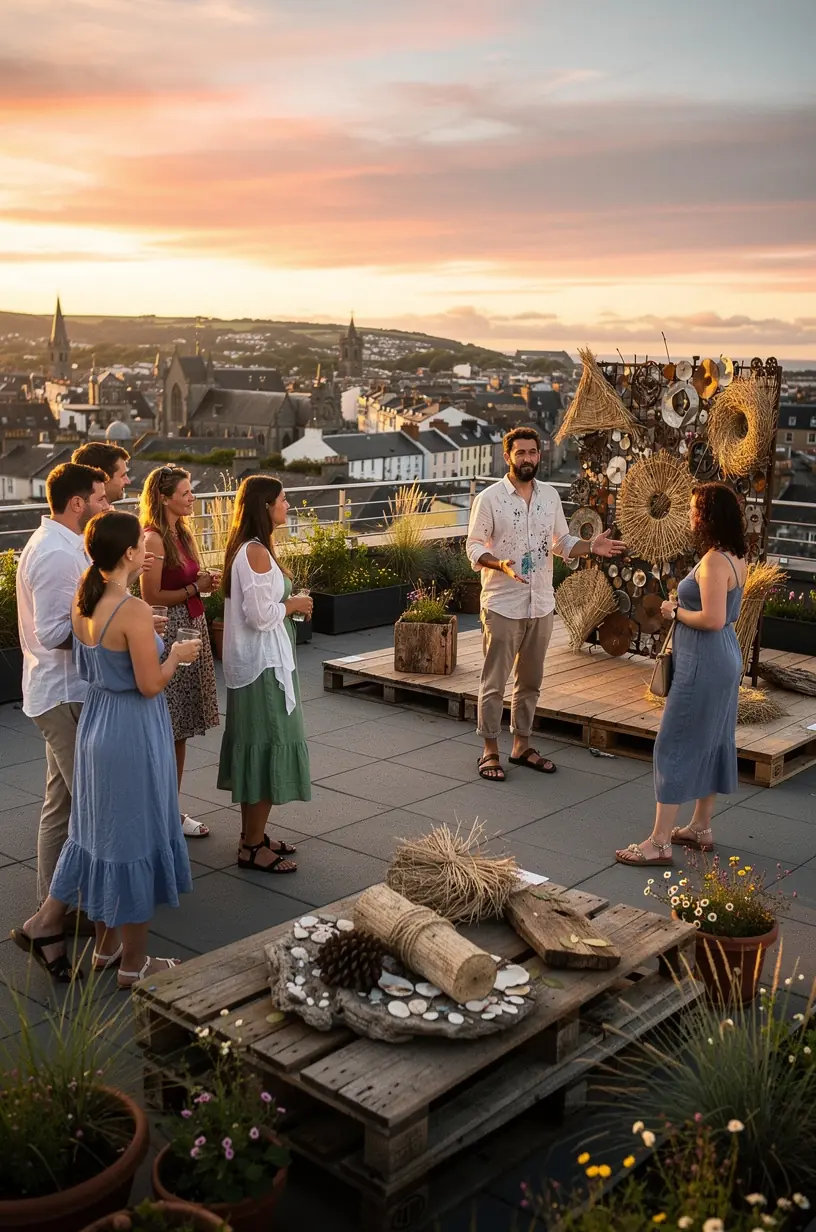
"Pop-up art spaces not only provide artists with visibility but also invigorate local communities by transforming underutilized areas into vibrant cultural hubs."
Benefits of Pop-Up Art Spaces in Urban Development
The integration of pop-up art spaces into urban development is often cited as a beneficial strategy for several reasons:
- Community Engagement: These spaces often host workshops, performances, and discussions, creating opportunities for residents to connect with local artists and each other. Community engagement is essential, as studies show that active participation in the arts can improve overall community well-being.
- Revitalization of Underused Areas: By activating vacant or neglected spaces, pop-up art exhibitions can help to revitalize neighborhoods. This approach aligns with the principles of tactical urbanism, which advocates for temporary interventions to enhance public spaces.
- Accessibility to Art: Pop-up venues can make art more accessible to diverse audiences. Many users report that these informal settings feel more welcoming compared to traditional galleries, often leading to increased foot traffic and community interest.
Challenges and Limitations
While pop-up art spaces offer numerous benefits, they also come with challenges that need to be acknowledged:
- Temporary Nature: The fleeting existence of pop-up spaces can lead to instability in programming. Artists and organizers may find it challenging to establish long-term relationships with their audience.
- Logistical Considerations: Setting up a pop-up space requires coordination with local authorities, which can be time-consuming. In most cases, gaining permits can take weeks or even months, thus requiring careful planning.
- Funding and Resources: Many pop-up projects rely on grants or community support. This can create limitations in scale and scope, especially if funding is not secured in advance.
Looking Ahead: The Role of Community in Shaping Pop-Up Art Spaces
Experts recommend that for pop-up art spaces to thrive in urban environments, community involvement is crucial. This means not only engaging local artists but also including residents in the planning and execution stages. Community-led initiatives tend to be more sustainable and can better reflect the interests and needs of the population. Projects that incorporate feedback from local stakeholders are more likely to succeed and resonate.
Conclusion
As urban areas continue to adapt and grow, pop-up art spaces will likely become increasingly significant. They provide a unique platform for artistic expression and community engagement, contributing to the revitalization of urban spaces. However, stakeholders must navigate challenges such as temporary nature and funding limitations. By fostering community involvement and collaboration, the future of pop-up art spaces looks promising, offering a dynamic avenue for cultural exchange and urban development.