Understanding the Logistics of Organizing Pop-Up Exhibitions
Organizing a pop-up art exhibition can be an enriching experience, yet it requires careful planning and execution. This article explores the logistical considerations involved in setting up these dynamic spaces, emphasizing community engagement and themed displays.
Understanding the Basics
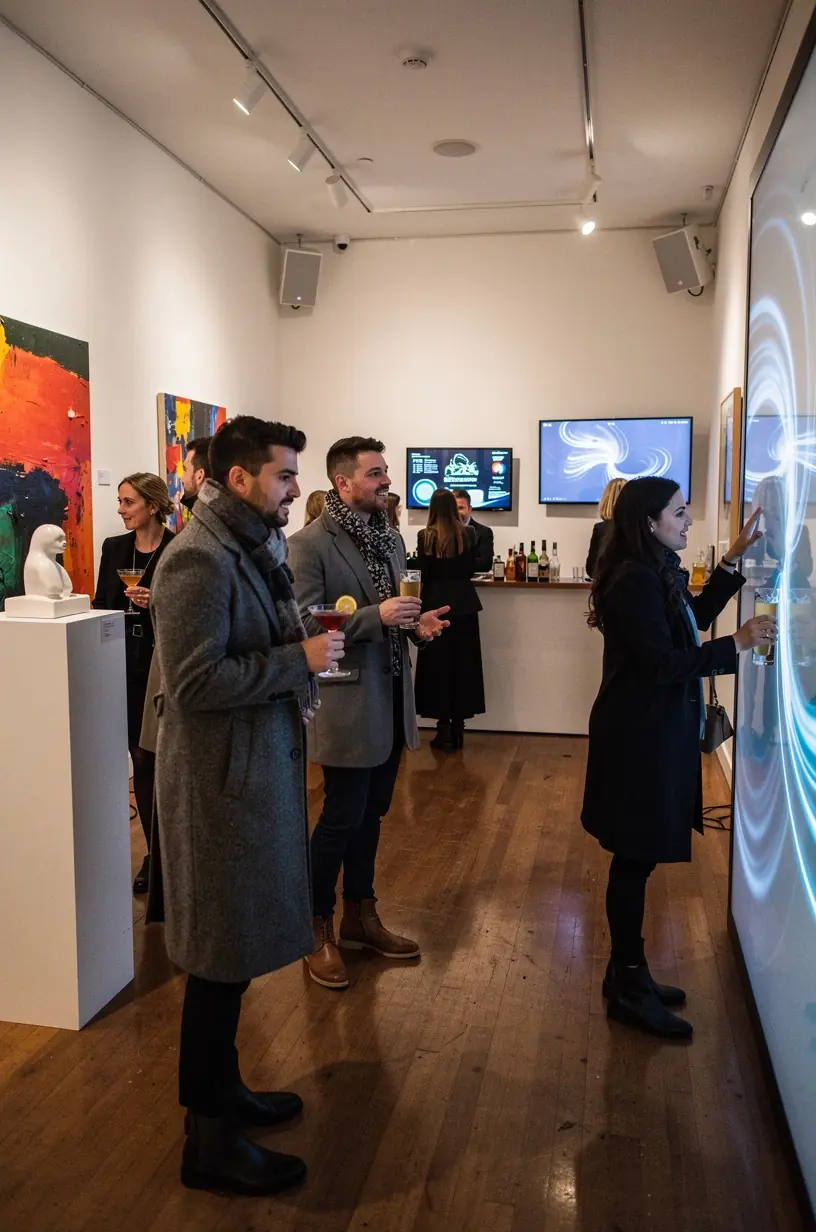
Pop-up exhibitions are temporary art spaces that can be set up in various locations, often to engage communities and promote local artists. According to industry experts, successful pop-up exhibitions typically focus on three main components: location, theme, and community involvement. This approach can help foster a sense of connection and provide visitors with a unique experience.
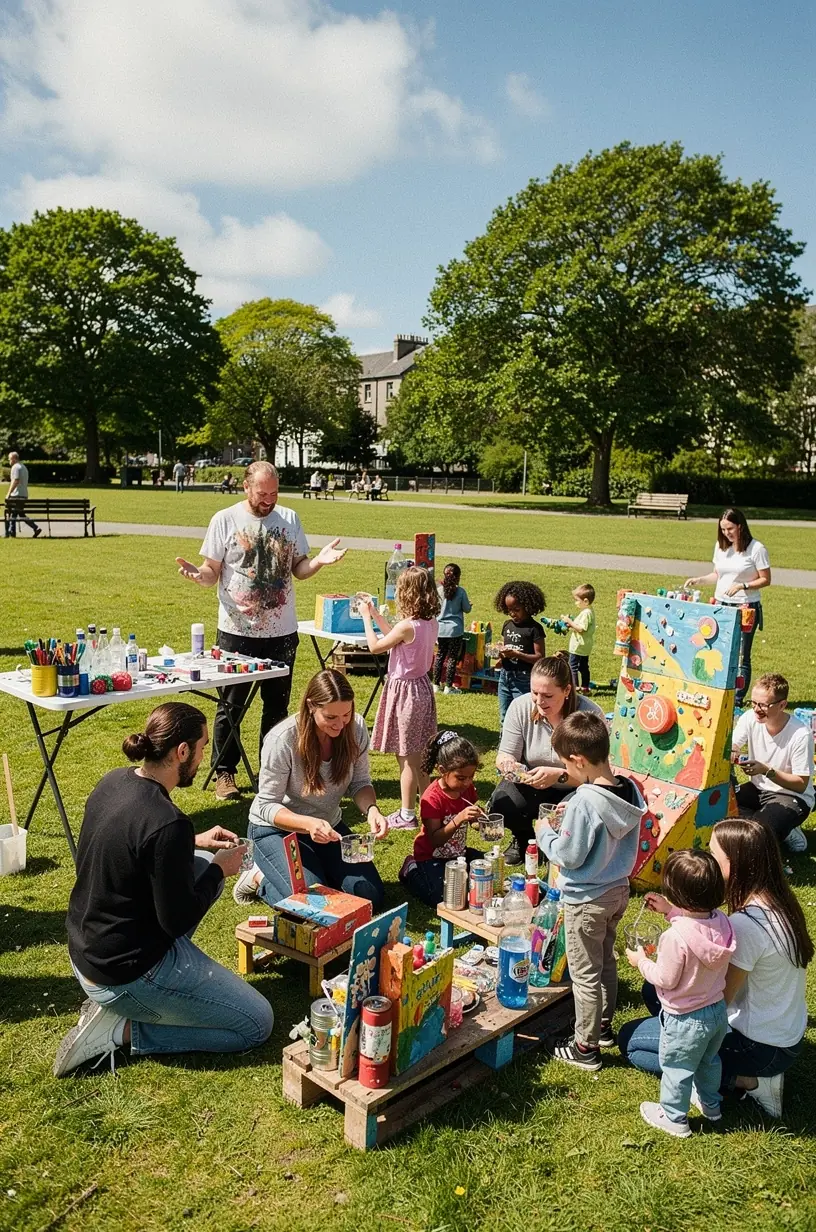
"A well-organized pop-up exhibition not only showcases art but also cultivates community spirit and collaboration." - Art Industry Expert
Key Logistical Considerations
When planning a pop-up exhibition, several logistical aspects need to be addressed:
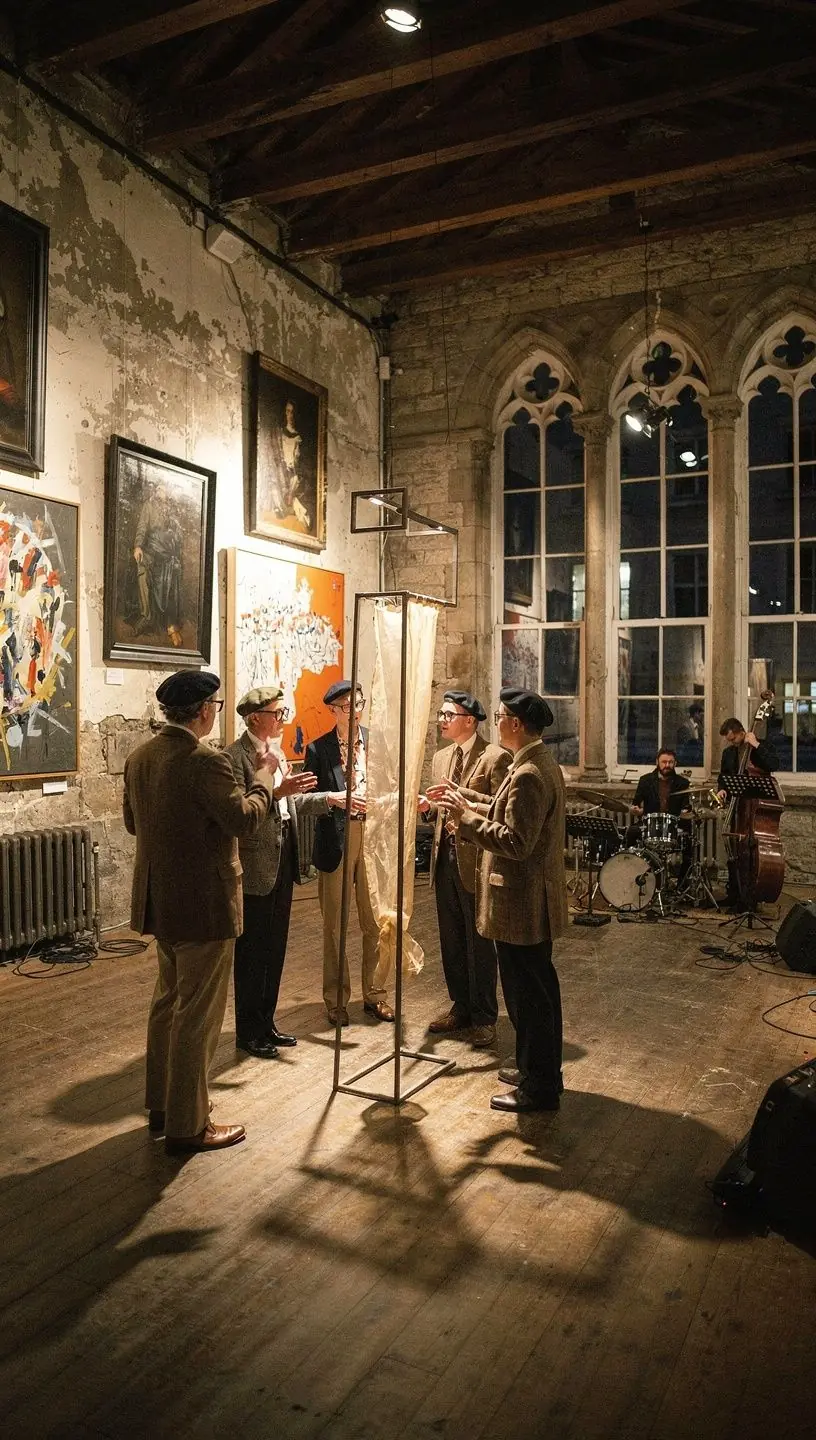
- Choosing the Right Location: The venue should align with the exhibition's theme. Research indicates that locations with high foot traffic, such as urban centers or community hubs, can maximize visibility and engagement.
- Setting a Theme: A cohesive theme can enhance the visitor experience. Experts recommend selecting a theme that resonates with local culture or current events, as this may draw more interest.
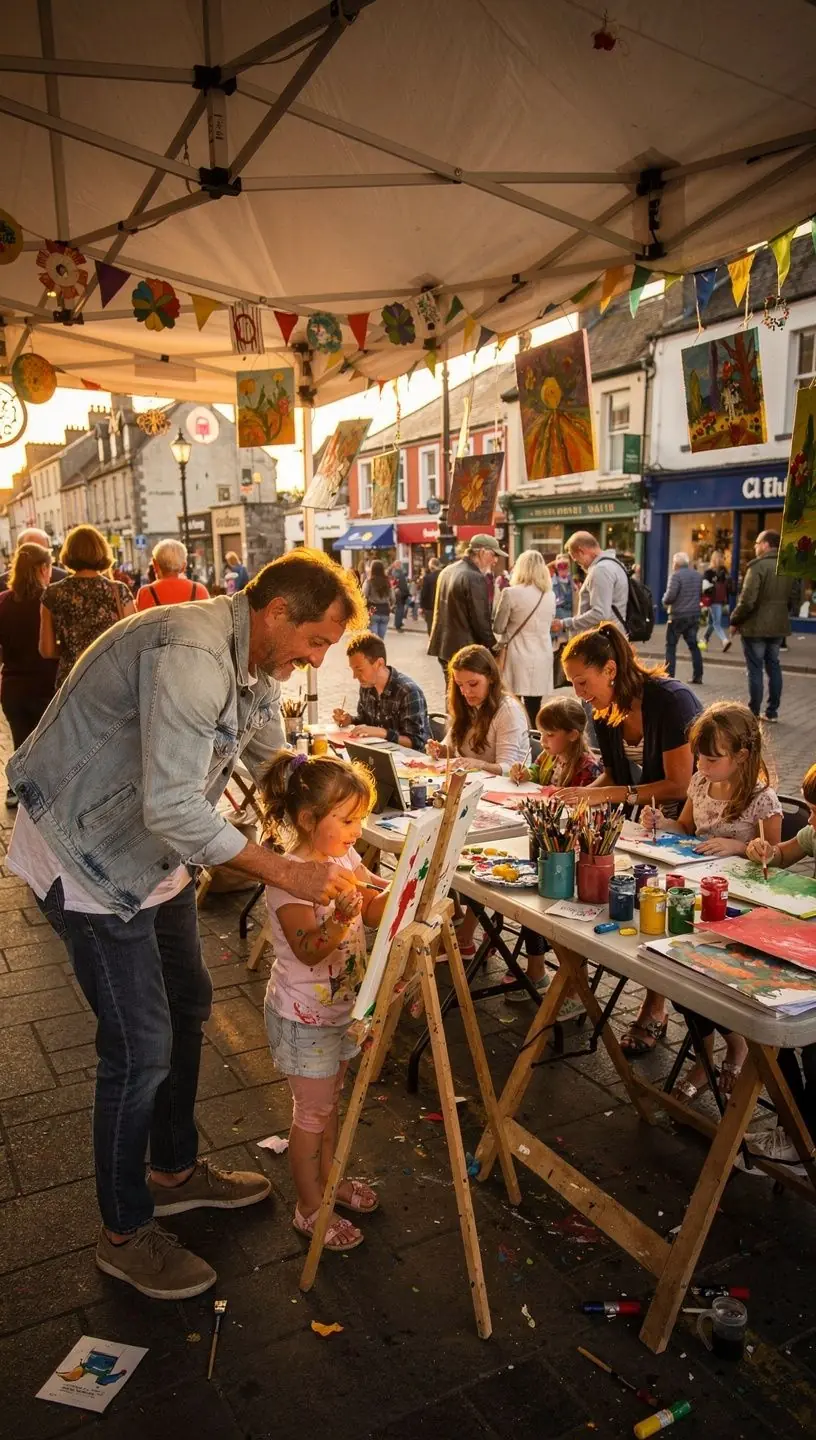
- Community Engagement: Involving local artists and community members in the exhibition process can foster a deeper connection. Studies show that exhibitions that engage their communities often see higher attendance and participation.
Practical Steps for Organizing Pop-Up Exhibitions
The process of organizing a pop-up exhibition can be broken down into several actionable steps:
- Initial Planning: Typically, this phase involves defining the exhibition's goals, budget, and timeline. Setting clear objectives early on can guide the subsequent steps of the process.
- Logistics and Setup: This includes securing permits, arranging for necessary equipment, and designing the layout of the exhibition space. Experts suggest allocating a minimum of 2-4 weeks for logistical arrangements to account for any unexpected challenges.
- Marketing and Promotion: Utilizing social media and local networks for promotion is essential. Research indicates that targeted marketing efforts can significantly increase awareness and attendance.
Challenges and Limitations
While pop-up exhibitions offer exciting opportunities, they also come with challenges. For instance, the limited timeframe may not allow for comprehensive feedback from attendees, which is crucial for future improvements. Additionally, securing funding and sponsorship can be challenging, particularly for first-time organizers. Understanding these limitations is crucial for setting realistic expectations.
Conclusion
Organizing a pop-up exhibition involves various logistical considerations that require careful planning and execution. By focusing on location, theme, and community engagement, organizers can create a meaningful experience for attendees. While the process may present challenges, a well-thought-out approach can yield rewarding results for artists and communities alike.
Learn More